Mostrando entradas con la etiqueta Bolivia. Mostrar todas las entradas

lunes, 24 de octubre de 2016

The Book review and Analysis of: The Lie of Populism / El Engaño Populista review and Analysis (work in progress)

Here my video on the subject: Check it out

 
So taking a quick break from my Migratory Policy stuff   I wanted to start working on my book review and analysis of  El Engaño Populista which translates, sort of, The Sham of Populism by Axel Kaiser and Gloria Alvarez. It's about the rise of Populism in Latin America  and how it has ruined each local political system where it takes power. Now I'm not normally drawn to this subject, Populism or Latin America in general, they are just not my thing, even though I live in Argentina, I'm more into power politics, war, migrants, refugees, religion... things of that nature, but just out of chance I met the one of the authors, Gloria Alvarez who is a political youtuber and has degree in International Relation just like me.  I met her at  my job and she  invited to the presentation of this book here at the local State  University. So I went, it seemed interesting and I bought the book, now when the presentation started I was floored by how by how much bush shit came out of these people mouths, there where presenting this book as a academic study and it was Ideological as hell, there were moments that they straight up lied, at one moment I actually interupted the presentation, couldn't take it anymore. I was starting to get pist  hearing how these guys where telling half truths and purposefully misrepresenting political concepts and people were eating it up, because there is a strong backlash against Populism here in Argentina so people consume basically anything that is against it, but this was going too far because in the way the information was presented some scary hard hard right ultra liberal stuff was being spoon fed. It was funny to see them use the same indoctrination tools that populist  use in their political message.
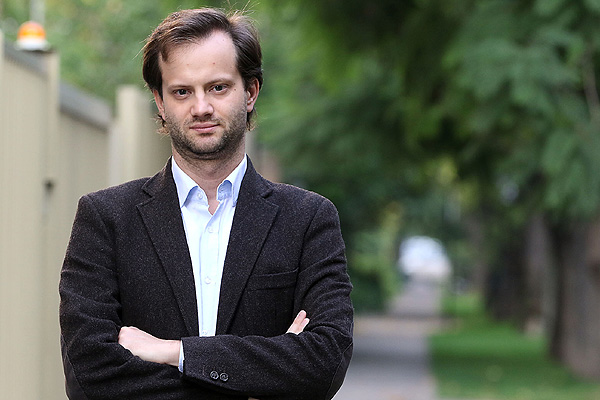
Imagen relacionada
Axel Kaiser

Now it going to take me awhile  to finish this review I actually find mistakes, misrepresentations and omissions on every other page, so it makes reading this book painstakingly slow. And I must say I lived through 12 years of Kirchnerism and I'm no fan of them what so ever, especial the cult of personality around Nestor and Cristina just drove me crazy, so I'm no expert on the subject but I understand it, but they did some positive things, like some really counterproductive things, but I'm not going to allow these authors get away presenting a book as academic when its irresponsible ideological propaganda, with total disregard for historical facts.


Central thymes:
·         Populism and socialism are bad, very bad, they are evil, the book hammers in this idea the whole book.
·         Latin America lived through a political Apocalypse during the wave of Populist governments that characterized the region during the 2000's. 
·         The rule of law, individual liberties, property and freedom cannot be reduced or limited by circumstantial majorities.
·         People that live in Latin America and especially Populist countries have  a victim complex, sadly I'm on the same page with this book on this subject, all the problems of the country is some ones else's fault, for example the imperialist United States. From my point of view not taking responsibility for the problem leads that you cannot fix them adequately, because in the case of populist governments they have a tendencies in believing their own bullshit overtime. 
·         These government cannot create the proper institution to prevail.
·         Populist leaders are charismatic politicians that  present themselves as saviors.
·         They create a binary  political discourse of the people/pueblo and anti-people / anti-pueblo, use and project that mentality, the dangerous other within and outside of the society is fundamental in populism. Now I concur with the book on this point to, I've noticed that populist as of late, from left and right have a particular love for going after journalist, reporters and new agencies they don't like, elevating them to a public enemy status.


Resultado de imagen para gloria alvarez
Gloria Alvarez
What I liked and what fascinated me:
·         Its captivating trip into the minds people that view the world from a  hard economically liberal right.
·         The book condones populism but sure loves to use passionate language like they do, this fascinating to see how hypocritical the authors are.
·         The book has the balls to put Chavez, Castro, the Kirchners, Lula Da Silva, Evo  Morales, Correa, Bachelet, Rouseff...in the same bag. But  even though each of these governments leaned to the left having varying degrees of socialisms in the way they governed, they were very different one from another. And it's interesting to see that the book over looked Mujica from Uruguay, one of the most interesting politicians that comes from the left.
·         The book establishes that these countries have pretentions of being democratic, but are not, even in all cases they came to power democraticaly and in most cases are no in government democratically, like in Argentina and in Chile, so this is just a pile of malarkey.
·         "They hate freedom and want idolatry towards the State" p22, this affirmation just blew me away, look from my point of view many of these politicians just love the cult of personality and they use this as an affective political tool, but idolatry towards the State is a thing of fascism.
·         When describing populism the book, explains that populism is a deep decomposition on a mental level that projects its self on culture, institutions, economics  and politics, yup that sounds super academic.
·         Populism uses democracy dishonestly, it uses it to extend it powers not limit it. This is sort of correct, what they use is political clientelism and assistentialism as political tools to gain political capital, but this does not limit its self to populism, alone.
·         Book promotes the idea of totalitarian democracy, book has issues with people voting.
·         Book establishes the United States of America is perfect model  to follow. Yup they have no social or economic problems the resolve, and they recently voted into office a populist from the right.  

What I didn't like:
·         Book complains that people in Latin America do not understand the concept of  Republic, but the book make no effort in defining the concept for the readers.
·         Book has issues differentiating between politics, public policy and public administration.
·         The book almost deliberately leave out the concept of the cult of personality in politics, to drive home the idea of the idolatry towards the State, which is something more pertinent to fascism.
·         Book does not define Populism.
·         The book treats the people as mindless idiots, that blind follow any charismatic leader.
·         Every type of social program in this book is just hand out for lazy people that are dependent on the government, that the oldest mantra from the liberal right if I ever heard one.
·         What left me speechless about this book is how easily it slabs fascism, with Nazis, socialism and communism, into one thing and establish they are basically all the same, which academicly is totally wrong. The book affirm that Hitler, Stalin, Mao, Chavez, Peron, Castro, Allende, Bachelet, the Kirchners... they are all the same, jajajaja. The author has some balls to put Bachelet and Hitler in the same category
·         They do establish the main diferance with the Nazis and populism in latin America, is that they did have a social and economic agenda, ¿What the Hell? The Nazi's social agenda was to create the racially perfect society for the arian race.
·         The Book uses the term Neoliberal a lot, but never defines the term.
·         The authors list countries that should be considered models to follow like Finland, Canada, Sweden, Germany, Denmark, Norway..., all countries that have a healthy and robust Welfare State, something that comes from the socialist side of the political spectrum, something this book just loves to hate. I guess the book thinks its readers are really stupid. Later it affirms that all countries that are socialist or have socialist inclination will end up as dictatorships and in misery, so people in Scandinavia, get ready you are totally screwed.
·         The Book has the balls to affirm that Peron was a straight up fascist, which is greatly over simplifying such a complex political figure such as Juan Domingo Peron.
·         The Book establishes that Pope Francis and the Catholic church have always been inclined to socialism and favor populist governments. ehhhhhhhh whaaa'???  Pope Francis may have some progressive left views of the world but, the Church as a whole has members that have a very diverse political views from across the political spectrum, from a hard right  to a progressive left, but never full on communist because of its atheist  nature. The book completely omits how John Paul the II fought communism  and the leftwing of his own church, or how the Church backed or  stood silent  when many rightwing economically liberal military governments toppled democratic governments across Latin America during the 60's, 70's and 80's (note many priest fell victim to these governments, there was a intense battle within the Church during this time).    
·         Book treats Pope Francis like any idiot, you can like him or not, you got to respect him because he had to deal with serous shit during his time as a priest during Argentina's military government, and never has backed down from his conviction. So taking cheap shots at him because you don't see eye to eye in politics or economic, just makes you look bad.      

 
To finish the book establishes that democracy in Latin America is broken in Latin America, and populism has taken it hostage, but here in Argentina after 12 years of populism, a center right party won the election, free and fair. And these populist have not questioned if this new administration is legitimate, so even though populism can be counterproductive and even terrible in some cases, sometimes it's just a normal part of the political ecosystem, sometimes systemically it pushed to power and others time it pushed out because it not needed anymore.   


Overall: This book got me thinking and that is good, reached to a couple of conclusions myself on the subject, try to debunk the pile of lies in its pages. But I did realized on my own that populist leaders across the board left and right, never stop the elections campaigns literally, they are fixated on political rallies and on their hardcore base, they are fixated  partisan issues and messaging, they explicitly never pivot to the center moderating their message being more inclusive, they purposefully dived.    

Overall Rating: 1 out of 10

martes, 1 de marzo de 2016

Book Review and Analysis The Origin of the Names of the Countries of the World (and the many islands that they have)


Title: The Origin of the Names of the Countries of the World (and the many islan that they have)/ El Origen de los Nombres de los Paises del Mundo (y de muchas de la Islas que estos poseen). (2004)

Author: Edgardo Otero

Today I'm going to review and analyze this beautiful history book written by Edgardo Otero, who isn't a professional historian, but a part time journalist and a full on history nerd. The author divides this book in large geographical chapters, and  the first one is about America which he divides in 4  subchapters :  North, South, Central and the Caribbean, then after this he works on the countries that are in Africa, Asia, Europe, Oceania and  the territories of Antarctica. In each chapter the author explains  the origins of each country in alphabetical order and where did they get their names, and most of the time it's a fascinating read.

So after reading this book  I thought to myself, I should  to do something different  for this post. so working on this text  and   out of curiosity I wanted to  see  statistically, using the information from this book,  lets  try  find out which reason that inspired a countries name prevails over the rest, just  for the fun of it and lets see where the information takes us, so today we are going to check this out with the States that are found in South America. 


Inspiration for the names of South American States and Territories
Examples
Rivers or other bodies of water 5 Paraguay, Peru, Uruguay…
Historical figures or People that discovered the place 5 Simon Bolivar for Bolivia , Columbus for Colombia
Tree or other plants 1
Inspired by Mountains, Vallies or other geographical characteristic 2
Because of mineral resources 
Name that describe social or political organization 1
Animals and wildlife 1
In Honor of Religious figures 
Indigenous group/tribes 2
Name references another place 1


Some fun country facts from South America that I've discovered in this book:
·         Venezuela actual means little Venice, as in Venice Italy, this historic city served as inspiration for the name of this country.
·         Bolivia that was named in honor of Simon Bolivar, who actually only visited the country once asked the authorities not to name the country after him.
·         Suriname was traded by the British to the Dutch, for a territory occupied the Dutch called New Amsterdam the latter would be renamed New York.


If you like the review give me a hand and support me on Patreon at this Link that will make me, Matias Cavoti very happy to keep writing.


Today I Bring you guys the stats on the countries names from Central America, North America and the Caribbean + Territories and Islands.


Inspiration for the names of States in Central America, North America and the Caribbean + Territories and Islands
Examples
Rivers or other bodies of water 3
Historical figures or People that discovered the place 12 Columbus named a lot of Island after people he knew or wanted to impress
Trees or other plants 4
Inspired by Mountains, Vallies or other geographical characteristic 12
Because of mineral resources  5
Name that describe social or political organization 5
Animals and wildlife 4
In Honor of Religious figures  1
Indigenous group/tribes
Name references another place 5
Inspired out of historical events  or other cultural traditions 2 Note this category is new


Some fun country facts from these regions:


Some curious information:

·         Since Columbus was running out of names for territories was discovering he actually named Dominica ( that latter it would become the Commonwealth of Dominica), after a day of the week Sunday, which is Domingo  the day he discovered this territory. Also Columbus named many Island after people the he knew or wanted to impress.
·         The Crimean war that transpired 1853 to 1856, lead Russia who needed cash urgently to sell Alaska to the United State of America for 7.2 million dollars.
·         Yankee is a deformation of the Dutch word Jaankee that means little john, the way the Dutch referred to the English.  
·         To my surprise Denmark's official claim over Greenland is pretty recent, 1921 and in 1933 it was officially recognized international as a part of Demark, but became a autonomous territory in 1979.


Some Interesting Conclusions one can draw from this part of the book:
·         The book truly illustrates how relevant Christopher Columbus was, this guy like it not triggered a historical revolution that had a global impact. Modern historians tend to reduce his historical importance, but when you read this book you rediscover the true scope of his travels and its reduced time frame, he did  a lot in a short time.


If you like the review give me a hand and support me on Patreon at this Link that will make me, Matias Cavoti very happy to keep writing.


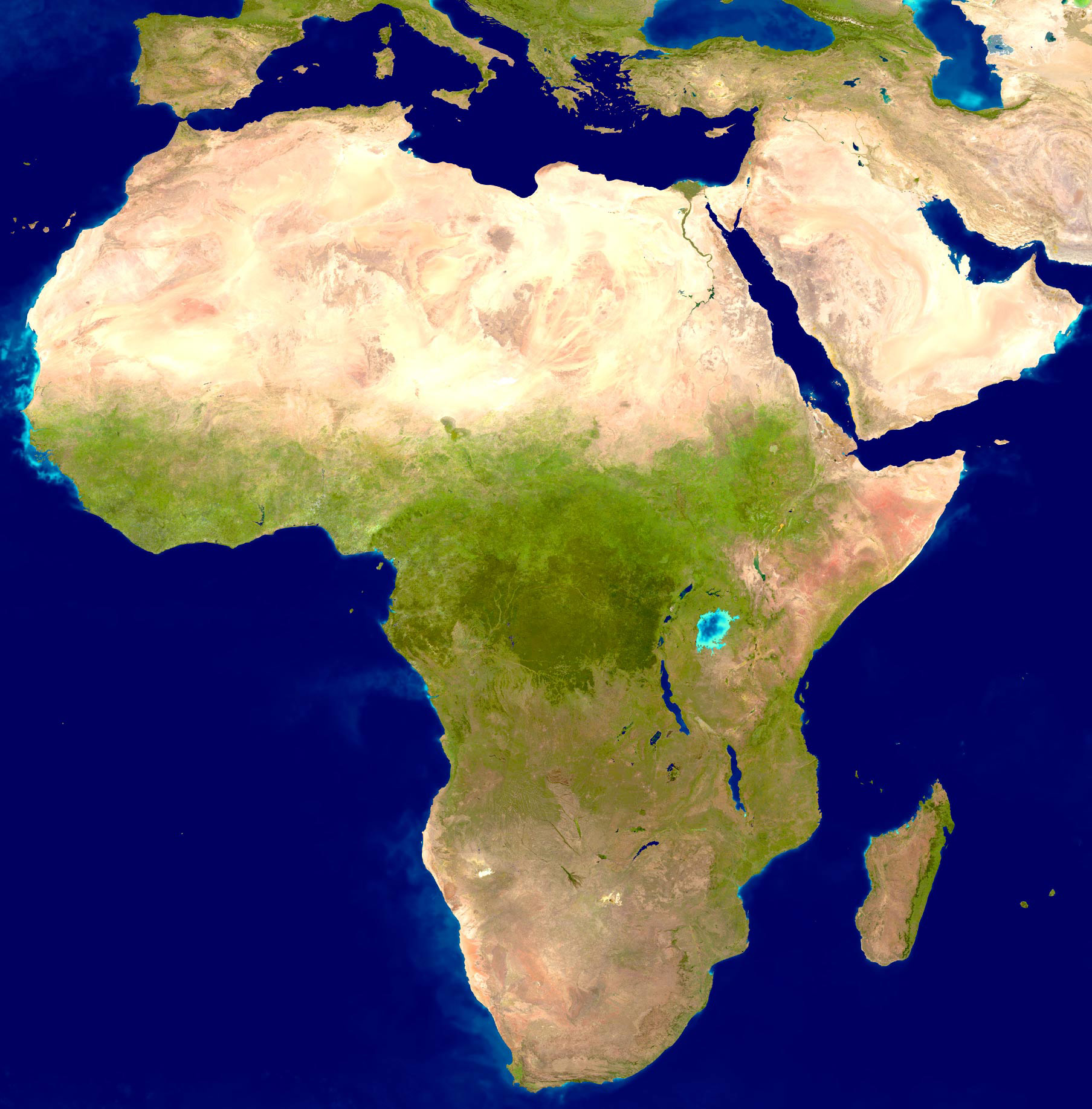
Today I Bring you guys the stats on the countries names and Island of the great continent Africa:


Africa and its surrounding Islands
Examples
Rivers or other bodies of water 7
Historical figures or People that discovered the place 9
Trees or other plants 4
Inspired by Mountains, Vallies or other geographical characteristic 12
Because of mineral resources 
Name that describe social or political organization 5
Animals and wildlife 4
In Honor of Religious figures 
Indigenous group/tribes 9
Name references another place 3
Inspired out of historical events, religion and other cultural traditions 10
Reference to a location 3
Description of its population 4 Ethiopia
Name references comers or trade 2
Denomination inspired  from the sun, the moon or other astronomical objects 2 Comoras/Comoros
Name references langue  1
No one knows the origin of its name 1
Tunez/Tunes


Some curious information and Interesting Fact presented in this book:


Add caption
·         The book presents many origins to the content of  Africa name, I'm going to focus on only two that I found most interesting: The first one we find that most historians affirm that  name Africa derives from Ifriq or Afer, who is known as Epher in the bible son of Abrahams third wife Quatura, that established himself on this content. In the second explains   that the origin of the word comes from Ifrigo bin Abraha Al-Raish the man that built the city called Ifriqiyyah, that over time became Africa.
·         Cueta is a spanish enclave in Morocco, that in arab tradition is one of the  first cities built after Noah's universal flood, and the  first settlers in Africa came from this city being originally called Septa, because it was founded by Noah's Septh and that over the year the name deformed into Cueta. Others establish  Ceib Noah's grandson truly founded this city and the name derives from him.
·         Camerun receives it name from shrimps, yes shrimps, you see when the Portuguese explorer Fernando Po traveled through the river Wouri  he called it  "Rio dos Camaroes" which translates "river of shrimps", because the amount of these little animal that he found in it, the name stuck.
·         Liberia was actually created by a initiative born in the  United States of America authorized by it congress, to reestablish freed African slaves, and its first president Joseph J Roberts was actual born in Virginia.
·         It seems that Marco Polo arrived to the coast of Madagascar in 1298, and he ask the locals the name of the place that he had made land fall and they responded Madagascar,  mistakenly or out of a misunderstanding  with the European explorer,  because actually that is the name for the African mainland for these people, and the island is actually called Izao Will Rehetra Izao. Another story with Marco Polo establishes that he thought that he had arrived to the Somalia's capital Mogadishu and he deformed it into Madagascar.
·         Namibia name one of the meaning actually is  "place with no being/people".


If you like the review give me a hand and support me on Patreon at this Link that will make me, Matias Cavoti very happy to keep writing.


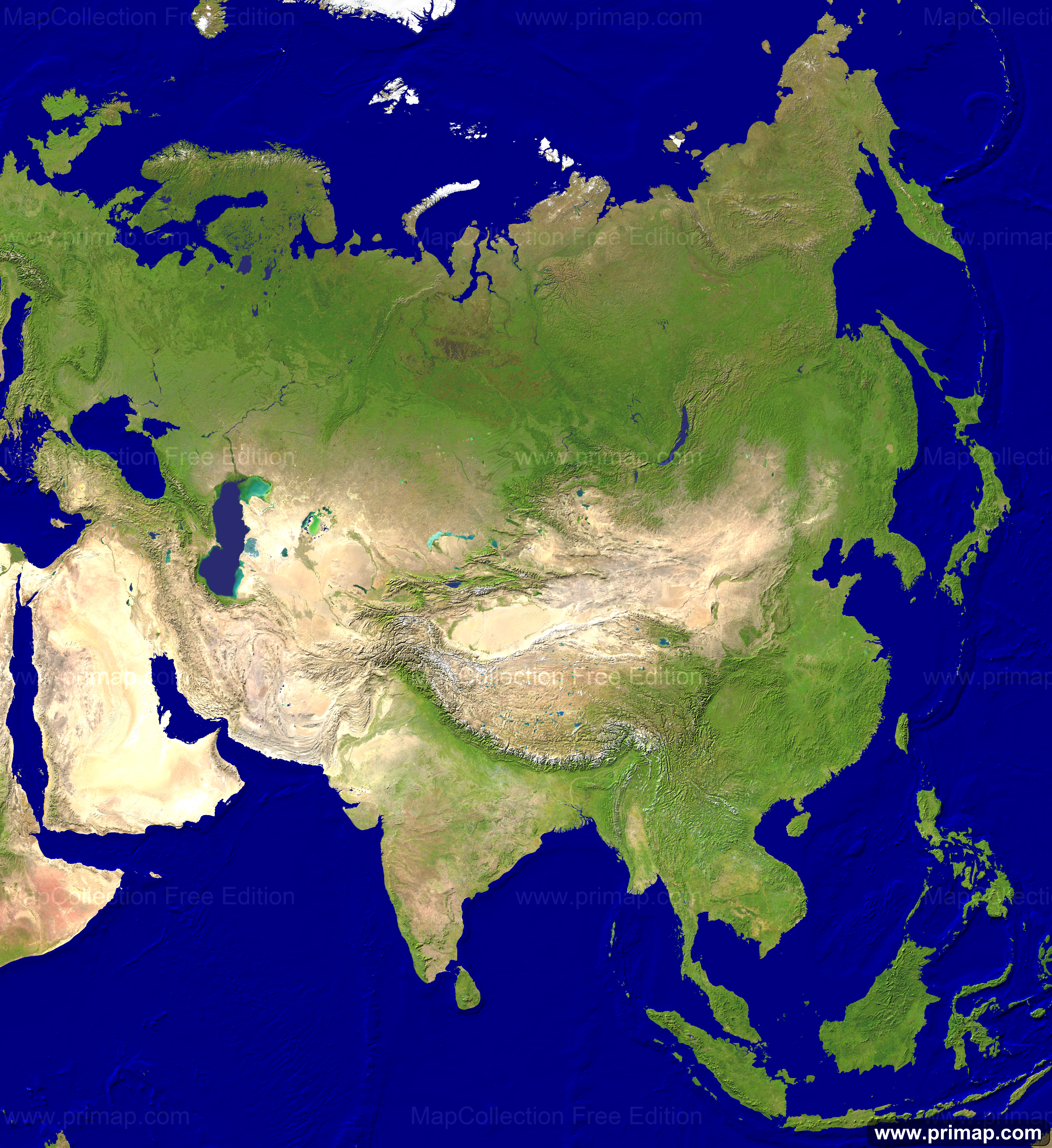
So Finally after a long time I update my post with


the geographic juggernaut of Asia


Asia and its surrounding Islands

Rivers or other bodies of water 4
Historical figures or People that discovered the place 2 Philipines 
Trees or other plants  
Inspired by Mountains, Vallies or other geographical characteristic 21 Nepal
Because of mineral resources  2
Name that describe social or political organization 2
Animals and wildlife 1
In Honor of Religious figures   
Indigenous group/tribes 1
Name references another place 3
Inspired out of historical events, religion and other cultural traditions 15
Reference to a location 6 China
Description of its population 7 Mongolia
Name references comers or trade 1
Denomination inspired  from the sun, the moon or other astronomical objects 1 Japan
Name references langue   
No one knows the origin of its name, or a very curius origin 2 Singapure
Reference to a Structure or a type of building 1 Gaza


Some interesting facts about some Asian countries and territories that maybe you didn't know:
Add caption


·         Armenia is a country that has a long relationship with Christianity and the Bible in general, in the year 301 was the first "nation" to convert to Christianity, becoming the official religion of the State", now the book establishes that in Armenian tradition Haig/Haik their first king  was the great grandson of Noah who built his arc on mount Ararat , and some traditions sustain that the arc still on the mountain  up until this day.
·         It's believed the  name of Gaza was given to the territory by the Canaanites about 3000 B.C.  and it possibly mean fortress.
·         The territory of Hong Kong, has very different country meaning compared to most other countries or territories, it originally was called Xiang-Gang that means "perfumed waters".
·         The name of Persia the original name of Iran, derived from the name of the Mythological Hero Perseus.
·           The treaty of Sevres in 1920, recognized the Kurdish State, but the auto determination of the Kurdish people was ignored in the  Lausanne treaty in 1923 that  is the foundation for the birth of the modern Turkish State, basically they got screwed.
·         Both Mongolia and China mean or reference that there country is at the center of the world.